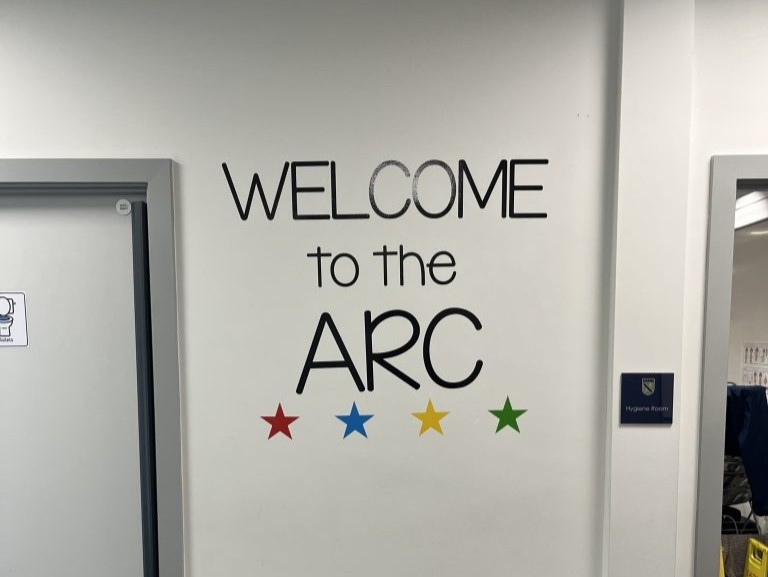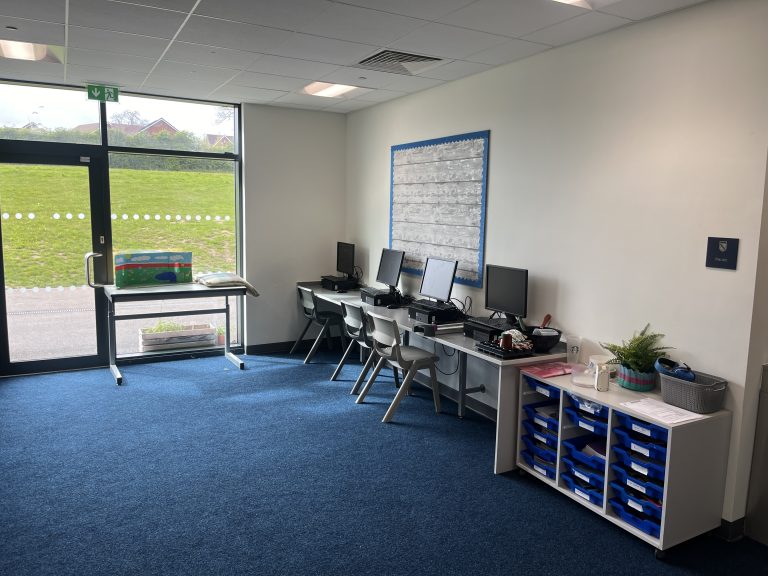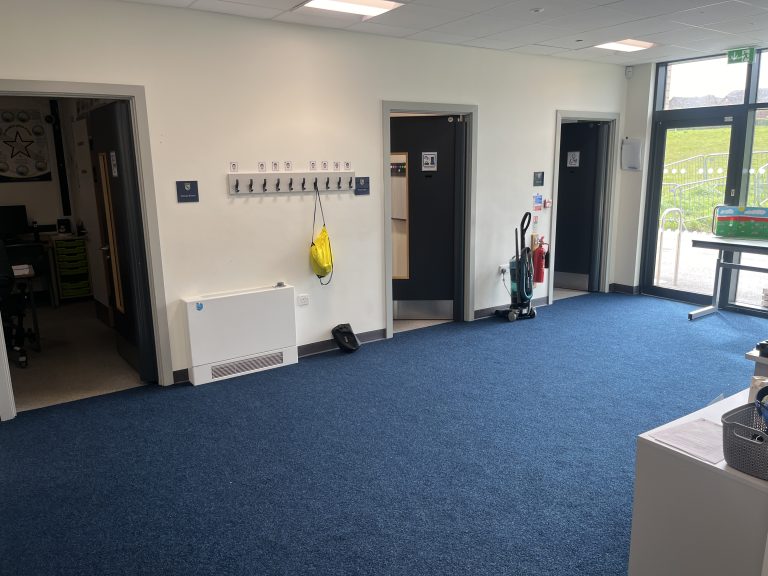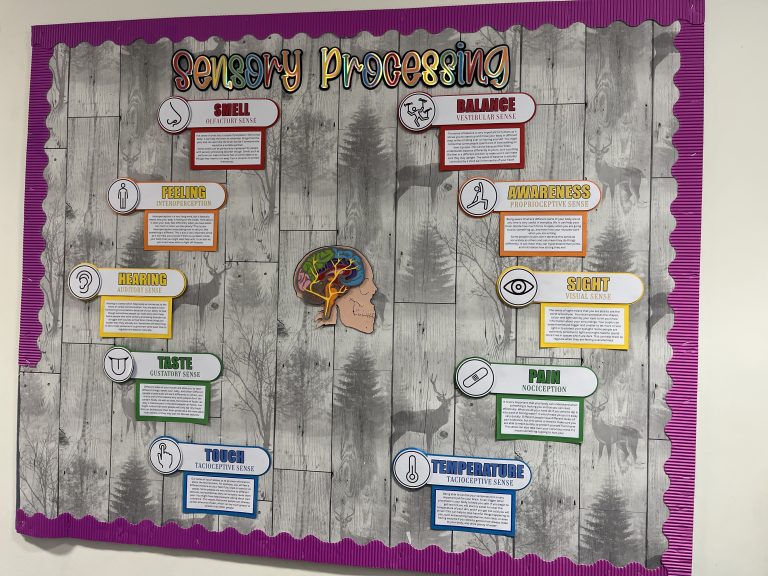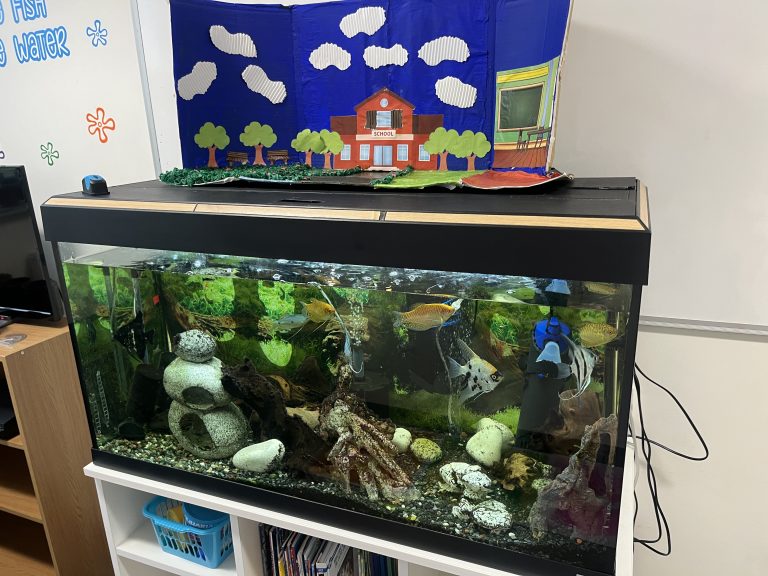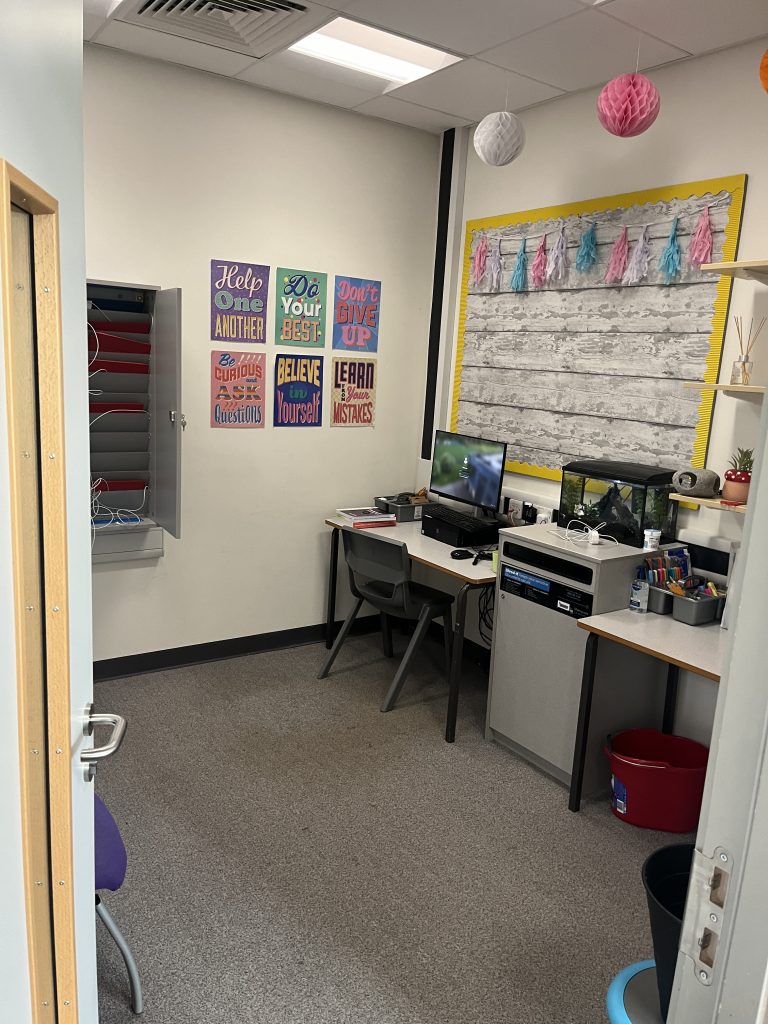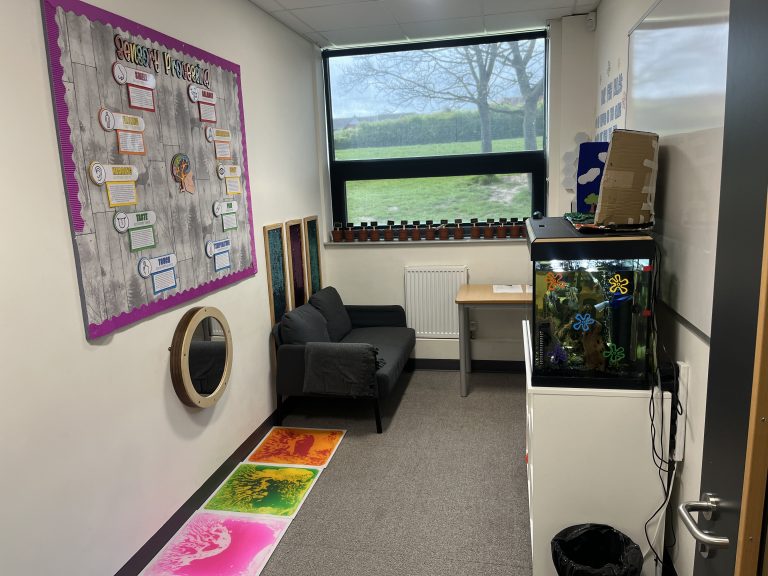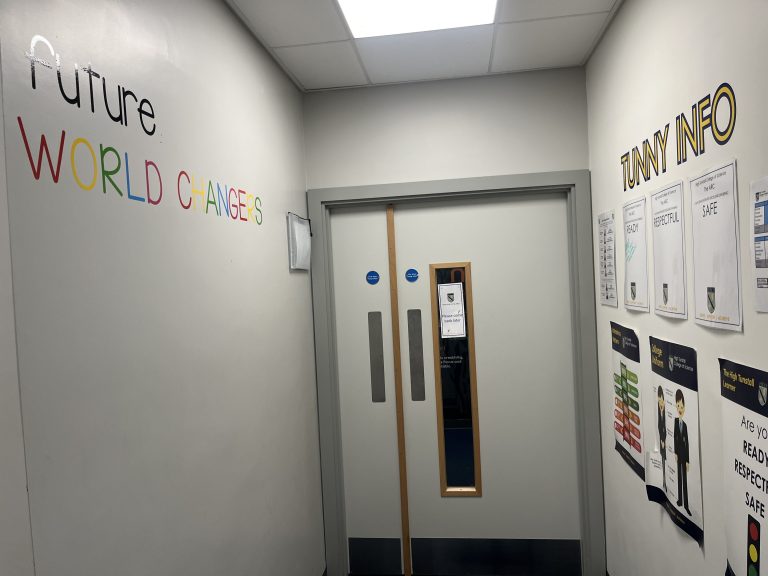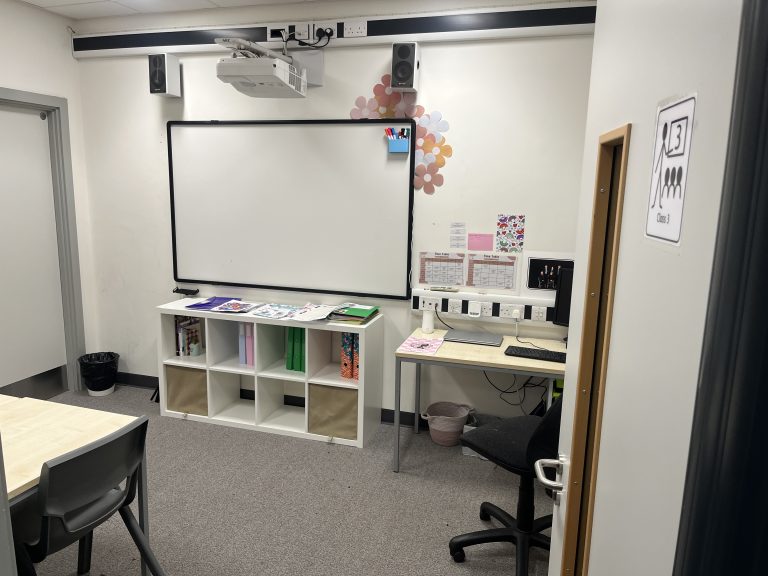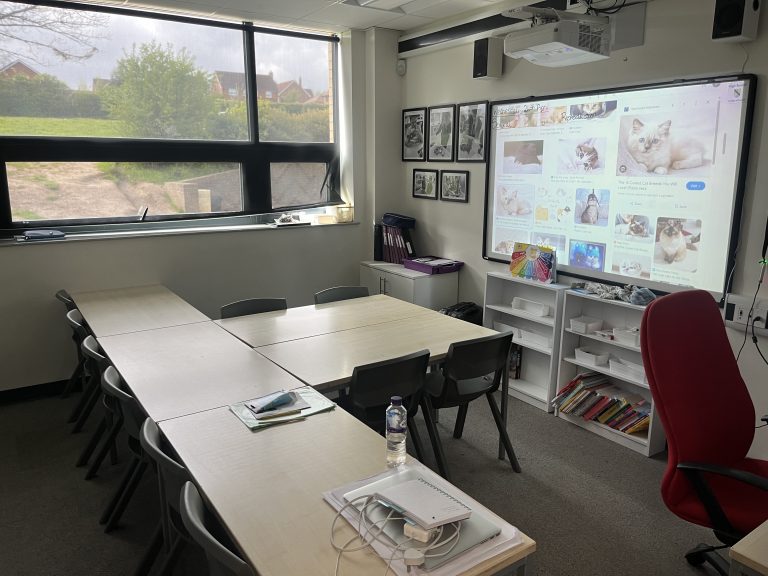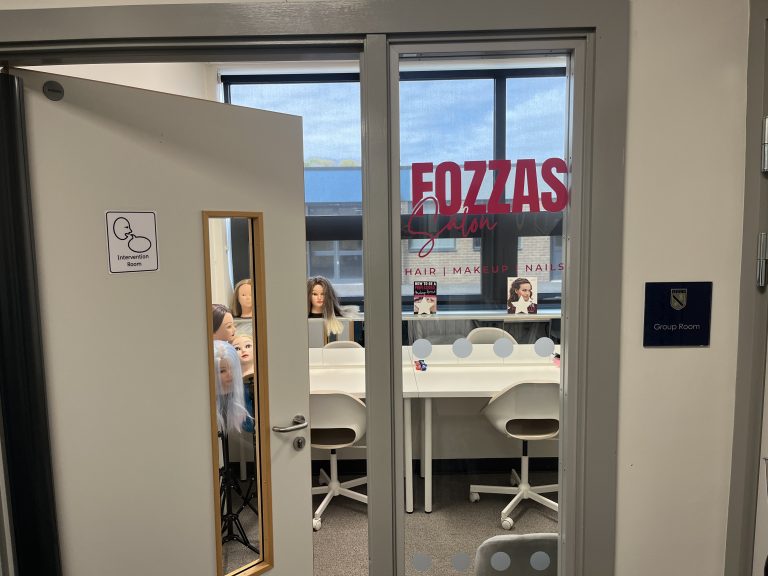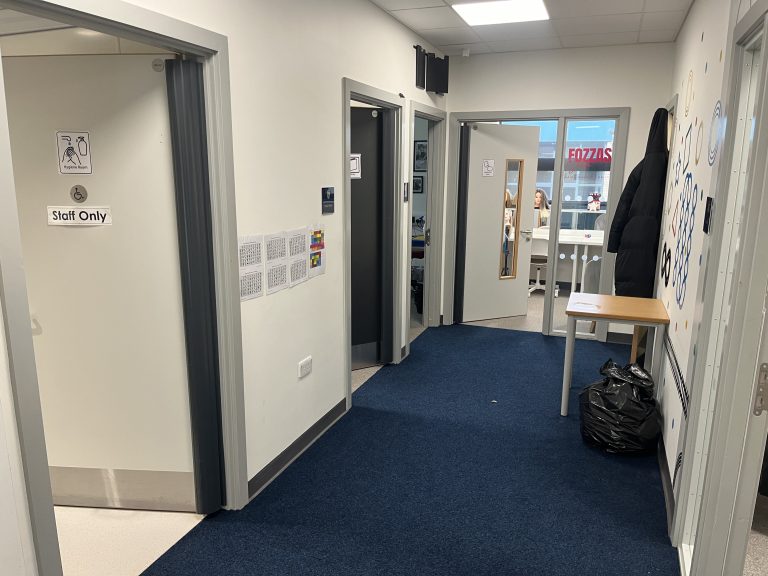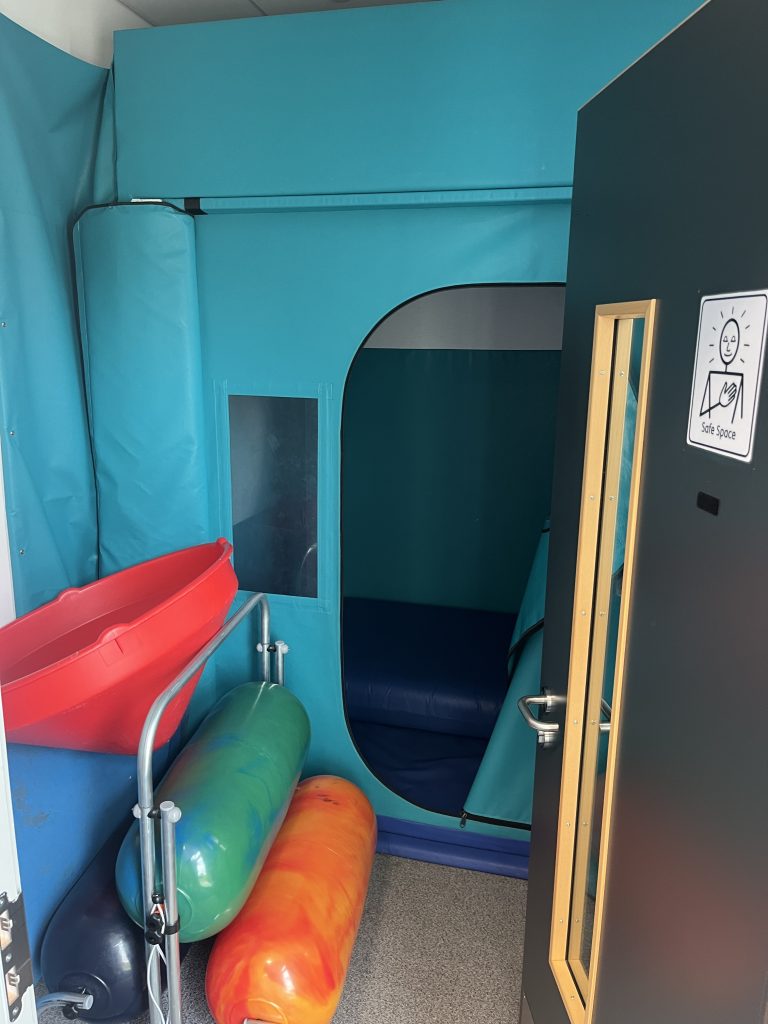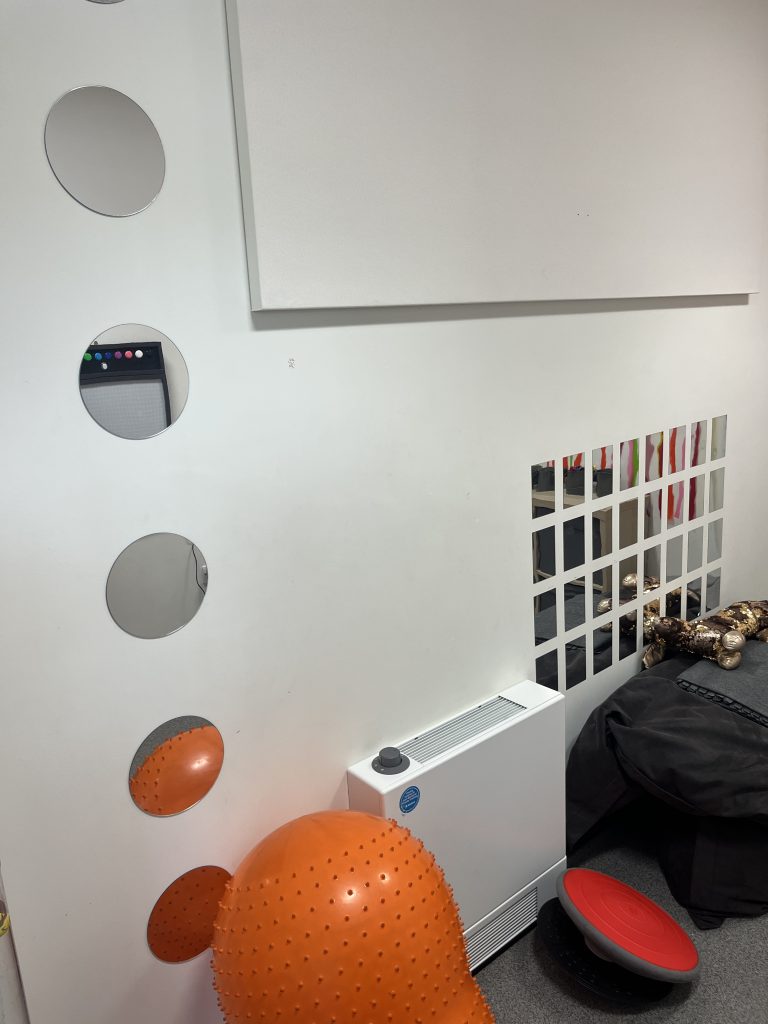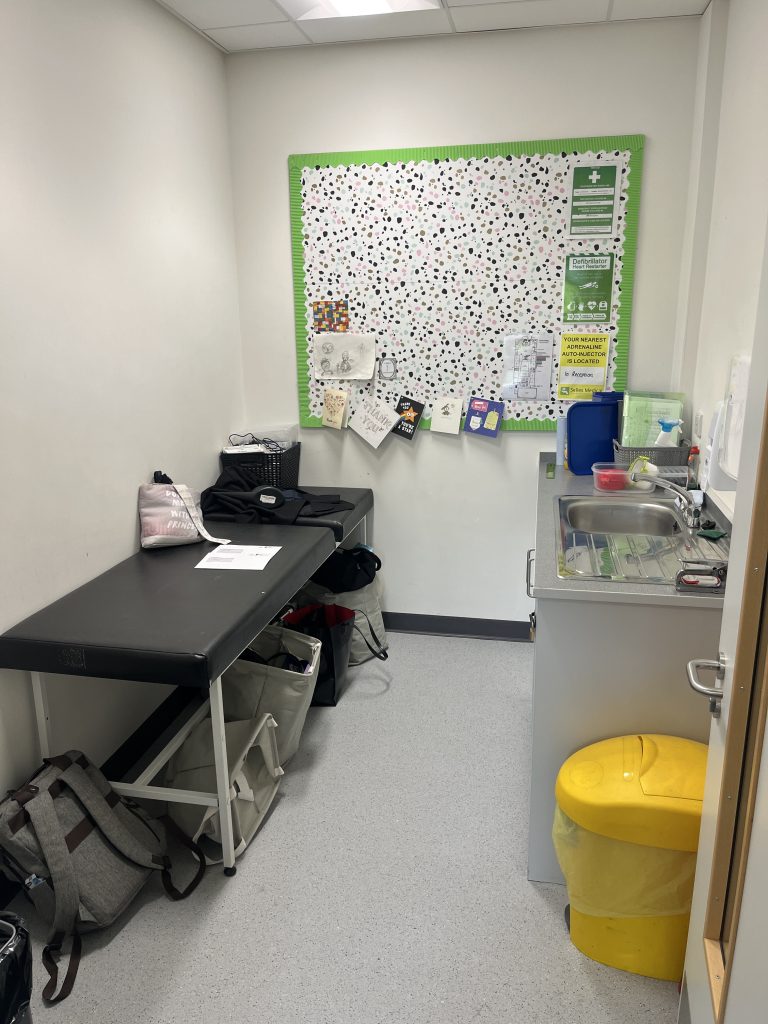
The College operates a 20 place Nurture Group from within its student body. Students who are identified by the College, who are in need of a more nurturing curriculum and climate, are selected and educated within the Nurture Group. Students are not expected to be in the Nurture Group for 5 years as it is designed to help and support young people reintegrate into mainstream when they have developed the social, emotional and academic skills.
Students must have an Education, Health and Care Plan in order for the College to consider a short-term placement in the Nurture Group.
The Nurture Group move around the school and use different classrooms for each lesson. Students accessing the Nurture Group are not taught only in one single area of the school.
We provide support and guidance to enable the student to access mainstream lessons successfully and reach their potential. Alongside this, we use specialist strategies to support the students to raise their self- esteem and confidence which enables them to have positive experiences and gain successes throughout their journey through College.
Whilst following the National Curriculum, the group’s main priority is to address the barriers to learning so that the students sense of well-being is improved and they are able to take advantage of learning opportunities and achieve to their potential. Our approach is individually responsive and we consider the human and personal characteristics of all students. For students accessing the Nurture Group, we plan that this will only be short term and our end goal is always to reintegrate students into mainstream lessons.
We encourage students to be self-regulated learners that are aware of their strengths and weaknesses, and can motivate themselves to engage in, and improve their learning.
We follow the Six Principles of Nurture:
- Children’s learning is understood developmentally
- The classroom offers a safe base
- The importance of nurture for the development of wellbeing
- Language is a vital means of communication
- All behaviour is communication
- The importance of transition in children’s lives